Book
Appointment
Pay Bill
Set My Location
be_ixf;ym_202512 d_01; ct_50

Mammogram

Mammography is the best tool for detecting early breast cancer. According to the American Cancer Society (Jan 12, 2023), the rate of death from breast cancer has steadily decreased since 1989, with an overall decline of 43% through 2020. Earlier detection due to increased awareness, screenings and better treatments, led to this result. Identify the type of mammogram you need (screening or diagnostic) and your location before choosing one of the scheduling buttons below.


Mammo

What is a mammogram?

As part of the Mayo Clinic Care Network, Beacon is able to offer full access to the Mayo Clinic health library so you can learn more about mammograms and why they are critical to detecting breast cancer early. Spend some time reading up on mammograms and then develop a list of questions to discuss with your provider or technologist before your next screening.

Mammography & Beacon Breast Care Centers

Digital 3D scans

Digital mammography, including 3D mammography, is the gold standard in the detection of breast cancer.

With cancer, early detection is critical. This is why Beacon offers digital 3D mammography – the most advanced breast cancer screening tool available.

These mammography procedures are examples of the services available at our Breast Care Centers. If you need follow-up treatment or additional tests, you can transition to other procedures and tests as needed.

Note: Not all services offered at all locations

Schedule a Screening Mammogram

Recommended breast cancer screenings

The following screening guidelines* are for women with an average risk for breast cancer.

Women under age 40:

  • Breast self-exams – monthly
  • Clinical breast exams – every three years
  • Mammograms – not needed unless there are symptoms present

Women over age 40:

  • Breast self-exams – monthly
  • Clinical breast exams – yearly
  • Mammograms – yearly


If you have an increased risk for breast cancer, your doctor may recommend earlier screenings.
*We follow United States Preventive Services Task Force standards. Learn more.

Schedule a Screening Mammogram

Mammo hero image

Breast self-exam guide

Finding a lump or change in your breast does not mean you have cancer. Eight out of 10 breast lumps are not cancerous. Only your doctor can be sure. Report any change promptly. Early detection is the best defense.

Breast self-exam guide

Frequently asked questions

What is a mammogram?

A mammogram is a breast health screening that uses an X-ray exam to check your breast health. A mammogram can help find problems with your breasts, such as cysts or cancer.

What age should women get a mammogram?

Start a conversation with your doctor to find out when you should begin having yearly breast screenings. We recommend women get a mammogram every year, beginning at age 40, but women who have a family history or an increased risk of breast cancer may need to have a mammogram sooner. Most insurance providers cover a mammogram each year. Check with your insurance provider for more details on your coverage.

What happens during a mammogram?

You will need to undress from the waist up and wear a gown. The technologist will position your breast on a flat plate on the mammography machine and then each of your breasts will be compressed slowly, one at a time. Your breasts will be repositioned several times to capture X-ray images from different angles for the clearest, most complete views of each breast.

How long does a mammogram take?

Your time is important, so we make getting a mammogram as convenient as possible. The entire procedure is about 20 minutes. The actual compression of each breast takes only a few seconds.

Do mammograms hurt?

Some women find the pressure of the plates on your breasts to be uncomfortable. Timing your mammogram when your breasts are not tender is important. In premenopausal women, this is usually one week after your menstrual period. If you experience  discomfort or pain, ask your technologist to reposition your breast. Remember that each X-ray takes just a few moments and could help save your life.

How do I prepare for a mammogram?

Do not use deodorant, powder or lotions on the day of your mammogram. We also recommended wearing a top that is easy to remove, since you will be asked to undress from the waist up and wear a gown.

How quickly will I know my results?

After your mammogram, a radiologist will review the images and send a report to your doctor. You typically get your results around one week after your mammogram.

What if something is detected during my mammogram?

If you receive an abnormal result, follow-up testing will be needed. You may also be referred to a breast care specialist or a surgeon who specializes in diagnosing breast problems.

Is financial assistance and support available?

We can connect you with resources and programs that may be able to help you with options for financial assistance.

Where to get a mammogram near you in Indiana and Michigan

Breast care and mammography

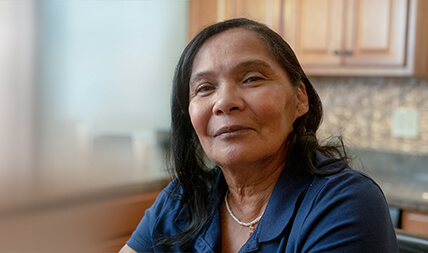
Catching breast cancer early for people like Finess

Finess Smith had been vigilant about getting a screening mammogram every year since she was 35. Not because of a family history, but because she believed in them and knows that early detection leads to a high cure rate — around 90 percent. Then COVID struck and caused her to miss her first one in years. But she was determined to get back on track.“When things started up again, the first thing I did was schedule my mammogram … and that’s when they caught the cancer.”
Hear Finess’s Story