Book
Appointment
Pay Bill
Set My Location
be_ixf;ym_202512 d_03; ct_50

A leader in complete heart care

To care for your heart, Beacon has the information, tools and expert providers to lead you along your path to good heart health. We strive to empower you to prevent heart issues, but also provide heart care services should you need them.

What sets Beacon apart?

We deliver complete heart care, meaning you won’t be referred to another health system because all your specialists are here! Not only is that convenient, it means specialists collaborate on your unique, individual care plan.

By keeping up with the latest technology and continuing their education, our collaborative team of cardiologists, surgeons, nurses, anesthesiologists, perfusionists, and imaging specialists are prepared to help you when you need them. In addition, our coordinators guide you in setting up care for your heart or vascular system. They answer questions, assist with appointments, and direct you to resources if needed.

Learn about our providers

What type of heart care is offered?

Beacon’s heart care team helps you manage and treat heart disease.

Common conditions and treatments include:

  • heart disease
  • arrhythmia, or abnormal heart rhythms
  • atrial fibrillation (AFib) and other heart rhythm disorders
  • high cholesterol and high blood pressure
  • heart valve and structural heart disease
  • valve problems
  • heart attacks
  • congestive heart failure
  • heart failure
  • medication
  • lifestyle changes
  • procedures
  • surgery

Program highlights

  • More than 2,000 heart procedures performed annually, the most in the region.
  • Ranked 3 out of 3 stars nationally for heart surgery program.
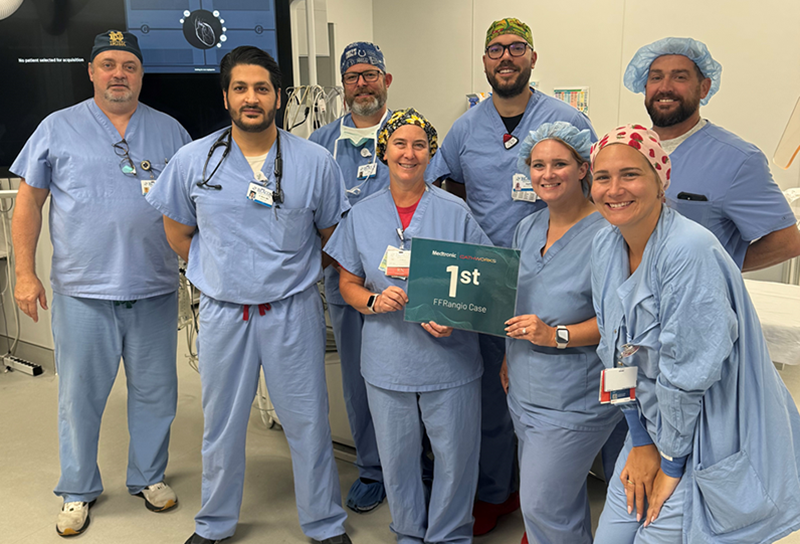
  • The first health care system in Indiana, to adopt a groundbreaking diagnostic technology for heart patients with coronary heart disease. CathWorks FFRangio, a non-invasive heart imaging system uses artificial intelligence along with advanced computational science to assist cardiologists.
  • The first program in the region with physicians specially trained in structural heart therapy, meaning you benefit from the latest procedures to correct heart issues.
  • The region’s first thrombectomy-capable stroke center in Indiana — the only one in 70 miles – able to perform the time-critical endovascular thrombectomy.
  • A Minimally Invasive Cardiac Surgery Program, a major procedure performed from the side of the chest instead of through the sternum.
  • The regional leader in complex valve reconstruction, with more than 20 years of experience in this minimally invasive valve repair procedure
  • Skilled physicians equipped to perform procedures like WATCHMAN™, MitraClip or TAVR.
  • The first local program offering MONARCH robotic bronchoscopy, which diagnose and stage lung cancer at the same time.
  • A leader in transcarotid artery revascularization, a minimally invasive treatment option for carotid artery disease
  • Borgess Hospital has been recognized by Healthgrades in the top 5 percent and as one of America’s 100 Best Cardiac Care Hospitals. They are listed #1 in Cardiac Care in Michigan (2024).

Excellence in care is here 

Not only have our heart and stroke centers earned national recognition and our teams earned certifications for their skilled delivery of procedures, Beacon is also a member of the Mayo Clinic Care Network, through which we have special access to their resources and specialists for consultations and second opinions.

Who will help me through this process?

Our team includes care coordinators. These people will guide you through insurance questions, surgical plans and rehabilitation or therapy that follows your procedure.

Learn more about coordinators

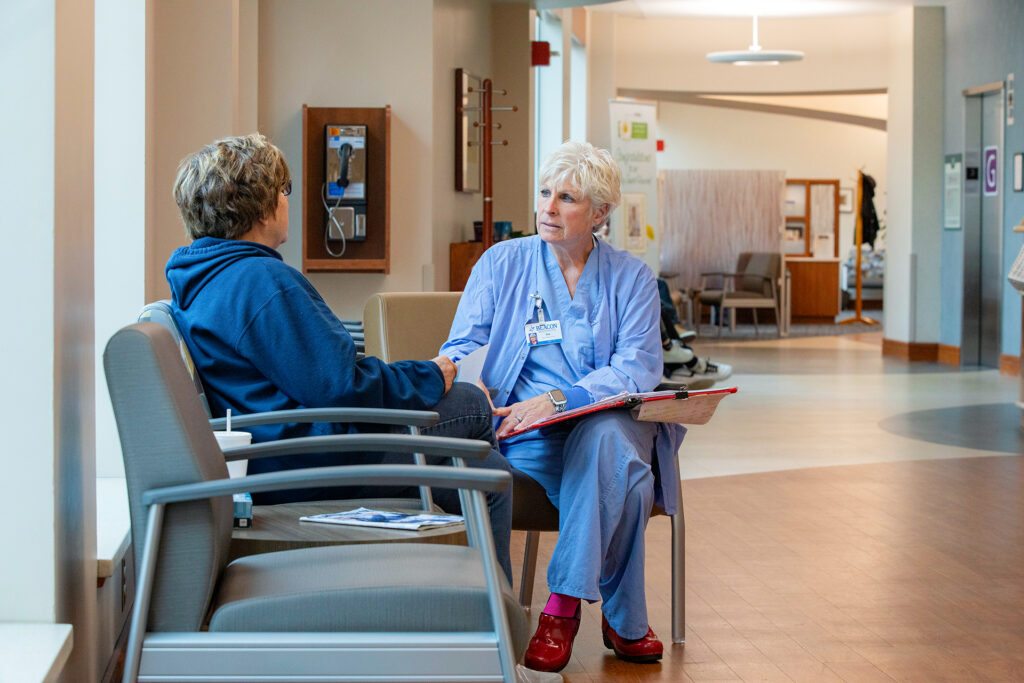
A woman in blue hospital scrubs sits next to and listens to woman wearing jeans and blue sweatshirt in a waiting room area.

Minimally invasive options at Beacon

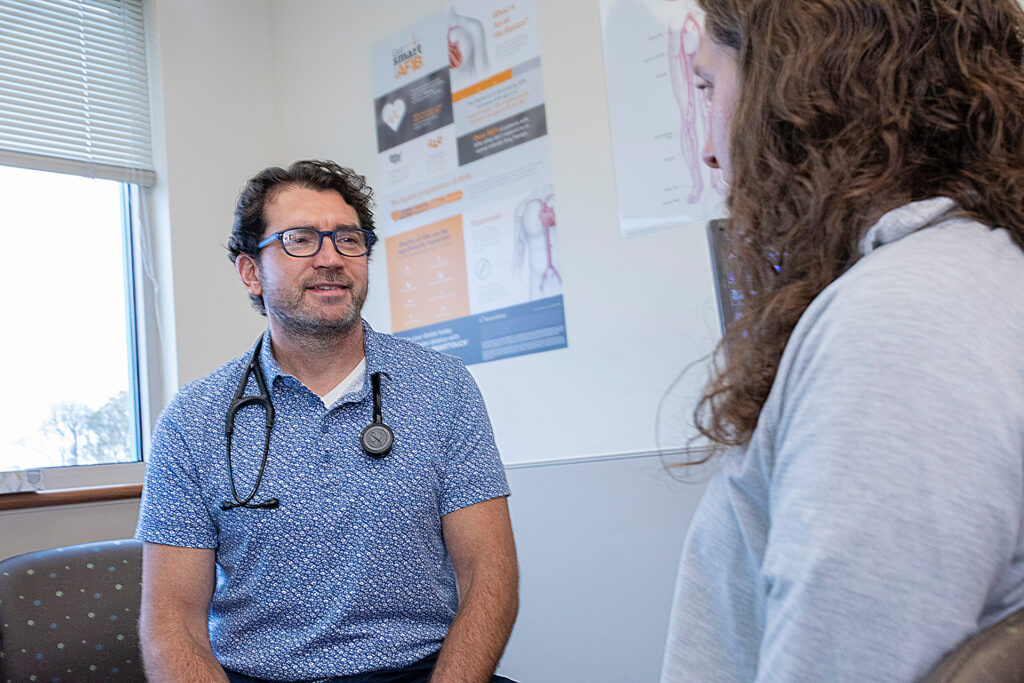
Seated doctor wearing blue patterned polo shirt and stethoscope listens to female patient in light gray pullover.

Mayo Clinic Care Network

The Mayo Clinic Care Network is a clinical collaboration between Mayo Clinic and independent health care organizations across the globe. Beacon is the first organization in Indiana to be selected as a member of the Mayo Clinic Care Network. You benefit from this relationship, because this network provides Beacon doctors with special access to Mayo Clinic knowledge, resources, team of specialists, second opinions and more. Read about our Mayo collaboration.

Learn about Mayo Clinic collaboration 

Accolades 

Our heart, vascular and stroke program has led the way in some programs and procedures in our region. Read about our ‘firsts’ and ‘onlys’ and also find details about all our teams. Also find links to awards and achievements we received.

Learn more

Get a second opinion from a heart specialist

Get the confidence and peace of mind that your doctor and cardiovascular care plan are right for you. It’s easy to get a second opinion with Beacon heart care. We can review your medical records and healthcare history to answer your questions and discuss options. Talk with one of our doctors about a personalized care plan.

When you are facing a new diagnosis or are deciding on a surgical or therapeutic treatment plan, there’s a lot to think about. If you are looking for a second opinion for advanced heart care, our cardiologists can also connect you with the right specialists for minimally invasive surgery, including TAVR, MitraClip™, WATCHMAN™, and ablation. Our heart and vascular specialists can provide a second opinion, based on our experience and as part of a national care team.

Before your appointment, check with your insurance company to find out if a second opinion is covered. We can request your medical records on your behalf, so that they can be shared with your care team before your arrival. Call 269-381-3963.
Frequently asked questions about heart care

When should I talk to my doctor about my heart health?

Warning signs of a heart condition can be feeling tired or being out of breath while doing the everyday activities. If you have concerns about new symptoms, talk with a cardiologist. And if you have high blood pressure, high cholesterol or heart disease and haven’t connected with your cardiologist in a while, schedule an appointment today.

Call 269-381-3963

When should I have a heart scan?

Your age, gender, lifestyle and medical history play a role in your heart health. If you have symptoms of heart disease or are unsure about your risk, talk to your doctor about a coronary calcium scoring heart scan*. A CT heart scan can help you and your doctor better understand your risk for heart attack. The imaging test delivers a coronary calcium score based on the amount of calcium-containing plaque that has built up in your heart arteries. You may benefit from a heart scan if you:

  • Are a man over age 40 or a woman over age 50
  • Are a smoker or have a history of smoking
  • Have a family history of heart attack at an early age
  • Have diabetes
  • Have high blood pressure
  • Have high cholesterol

You should not have a heart scan if you are pregnant, or have already had a heart attack, coronary bypass surgery or a coronary stent.

About heart scans

What are the symptoms of a heart attack?

For both women and men, the most common heart attack symptom is chest pain or discomfort. But women may be more likely to experience shortness of breath, nausea or vomiting, and back or jaw pain.

If you are experiencing chest pain, especially in combination with jaw or arm pain, lightheadedness, nausea, vomiting or difficulty breathing, you might be having a heart attack. Call 911 or go to the nearest emergency room right away.

Watch for these symptoms of heart attack in both men and women:

  • Chest discomfort, pressure or pain
  • Difficulty breathing independent of activity
  • Lightheadedness or loss of consciousness
  • New weakness or fatigue
  • Rapid or irregular heartbeat
  • Sudden pain in arm (particularly left arm), jaw, neck or back
What is high blood pressure?

High blood pressure, also called hypertension, is blood pressure that is higher than normal. It happens when the force of blood pushing against the walls of your arteries is too high. High blood pressure is a chronic condition that can increase your risk for heart disease and stroke. Talk to your doctor about risk factors and how to manage your blood pressure.

What are some signs of clogged arteries?

Clogged arteries, also known as coronary artery disease (CAD), happens when plaque, including fats and cholesterol, builds up on your artery walls. Plaque buildup, called atherosclerosis, can slow or completely block blood flow to your heart. Symptoms of clogged arteries may include:

  • A cold sweat
  • Chest pain or discomfort (angina)
  • Lightheadedness
  • Nausea
  • Pain or discomfort in the arms or shoulder
  • Shortness of breath
  • Weakness

Talk to your doctor about how to reduce your risk for coronary artery disease. If you are an adult with high blood pressure and cholesterol, diabetes, obesity, use tobacco or have a family history of heart disease, your doctor may recommend getting a CT heart scan of your heart.

What are the different types of heart specialists?

A cardiologist specializes in the diagnosis of heart disease and care of the heart muscle, coronary arteries and veins that carry blood. A heart surgeon, also called a cardiac surgeon or cardiothoracic surgeon, performs surgery on the heart, lungs, esophagus and other parts of  the chest. Heart failure specialists manage congestive heart failure symptoms with medication and minimally invasive procedures.

Surgeons and cardiologists at Beacon are part of a national care team of doctors, sharing best practices and advanced treatment options for more complex heart care.

Different types of heart specialists and surgeons include:

  • Cardiothoracic (heart and vascular) surgeon
  • Congenital heart specialist, for children and adults
  • Electrophysiologist for AFib and other heart rhythm disorders
  • General cardiologist
  • Heart failure specialist
  • Interventional cardiologist, who focuses on cardiac catheterization and minimally invasive procedures
  • Cardiac radiologist, who performs diagnostic heart imaging
  • Cardiac rehabilitation specialist
  • Cardio-oncologist, who treats heart-related conditions during and after cancer treatment
  • Women’s heart specialist

Find a heart specialist