When vision went black, Beacon’s quick action, expert care gave patient his life back
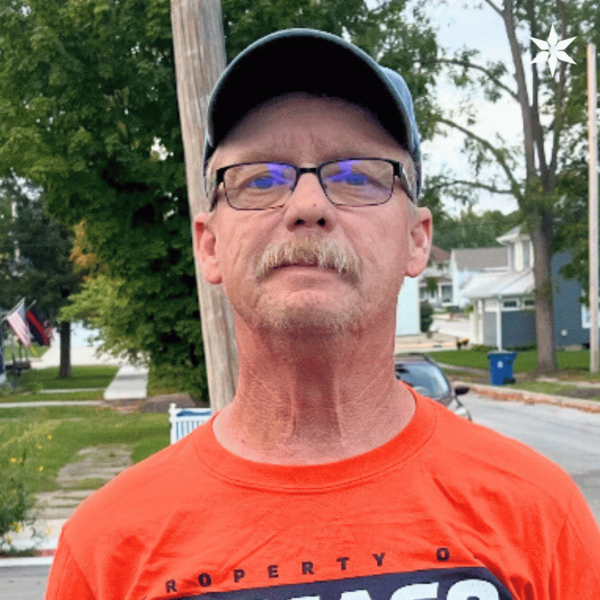
Joseph Noah
For more than 40 years, Joseph Noah has worked as a union bricklayer. It’s a demanding, physical job that keeps him active year-round. When he’s not on a job site, you’ll often find him ice fishing in winter or deer hunting in the fall. As a devoted husband and father of five adult children, Joseph has always lived a busy, hands-on life.
So when his vision in one eye suddenly went black as he walked out of a store, he knew something wasn’t right.
A warning sign
Joseph’s vision loss only lasted about 15 minutes before returning, but the experience left him rattled. A couple weeks later, it happened again, but this time only half of his vision disappeared.
At first, Joseph thought it was an eye problem and rubbed his eye to clear it, never imagining the cause was not his eye at all. Encouraged by his wife, Joseph scheduled an appointment with his primary care physician.
During the appointment, he asked a simple question: What would cause one eye to go blind?
That question set off a chain of events that may have saved his life.
His doctor ordered immediate testing. An eye exam ruled out common causes, leading to an ultrasound of his neck. The technician grew quiet during the test and Joseph sensed something was wrong.
A follow-up CT scan revealed the alarming truth: severe bilateral carotid stenosis, with one artery more than 98% blocked. This meant both main arteries in his neck that carry blood from the heart to the brain had become dangerously narrowed by plaque buildup.
“Carotid artery disease often develops silently, but certain warning signs should never be ignored,” said Dr. Howard Wiarda, Beacon Medical Group Interventional Radiology. “Brief episodes of vision loss, sudden weakness or numbness on one side of the body, dizziness, or difficulty speaking can all signal reduced blood flow to the brain.”
Joseph’s symptoms were textbook warning signs of this progressive condition. Carotid artery narrowing is fairly common in older adults, especially those with risk factors like high blood pressure, diabetes or a history of smoking. While many patients have mild to moderate narrowing, severe blockages like Joseph’s are less common and considered medical emergencies because of the high risk of stroke.
“I’d say I got pretty lucky,” Joseph said. “If it wasn’t for asking that question about my eye, I might not have known until it was too late.”
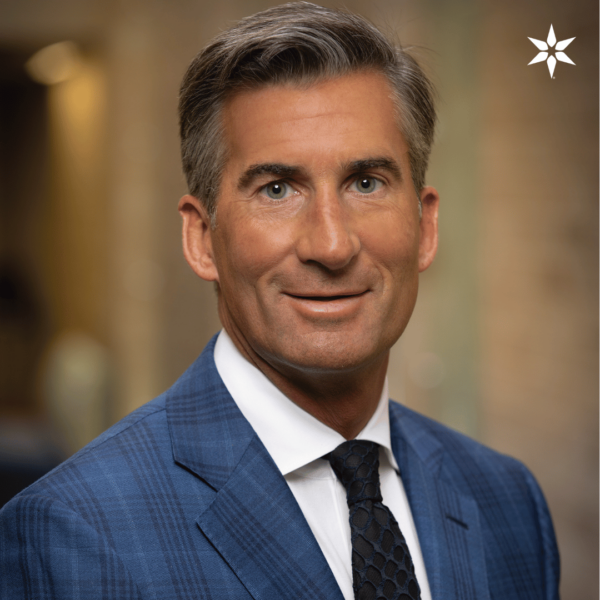
Dr. Howard Wiarda
A critical intervention
After being referred to Dr. Wiarda, Joseph was scheduled for a carotid stent procedure within a week. This minimally invasive procedure reopens narrowed arteries by placing a thin tube through a blood vessel in the groin or wrist and guiding it to the blockage in the neck. A small mesh tube, called a stent, is then put in place to hold the artery open and restore blood flow to the brain.
“Joseph’s case was critical,” Dr. Wiarda said. “With the 98% blockage, he was at significant risk for stroke. Acting quickly was the difference betweena close call and a life-altering event.”
That quick action paid off in ways Joseph didn’t expect.
Joseph was back on the job a week later, and he noticed subtle but meaningful improvements beyond his vision. His shoulder pain subsided, his voice grew stronger and his fatigue lessened.
“Other than those vision episodes, I wouldn’t have known anything was wrong,” he said. “After surgery, I realized I really felt better overall.”
Dr. Wiarda said many patients don’t realize how silently vascular disease can progress. “Joseph is a great example of why it’s so important to get evaluated if you notice unusual symptoms, even if they seem to resolve on their own,” he said.
Compassionate care
Joseph praised his Beacon care team for keeping him informed and comfortable throughout the process. “They were wonderful. They told me everything that was going to happen,” he said. “It was a very good experience, A++.”
Although a temporary kidney complication extended his hospital stay, attentive nurses explained what was happening and reassured him through the recovery process.
“Our goal is not just to treat the condition but to make sure patients feel supported through every stage of care,” Dr. Wiarda said. “Joseph’s outcome is the result of teamwork across specialties, from diagnosis to procedure to recovery.”
Joseph’s story is a reminder that even subtle or short-lived symptoms can signal serious underlying conditions. He hopes others pay attention to their bodies and seek medical advice when something doesn’t feel right.
“I wanted the surgery done as soon as possible,” he said. “I felt confident in my doctors, and they did excellent work. I’m grateful to still be here, working and enjoying life with my family.”
Learn More
Beacon Heart, Vascular and Stroke care leads the way in local cardiovascular care. Cardiologists, electrophysiologists, heart surgeons, vascular surgeons, interventional radiologists, stroke specialists, heart failure and rehabilitation team – they are all here at Beacon, delivering the quality care you have come to expect from us.