Beacon team helps patient reclaim his life after rare paralyzing diagnosis
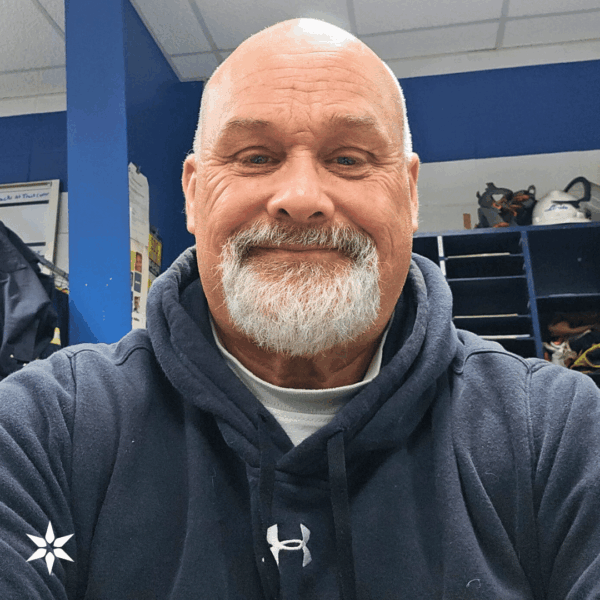 It was late September, and Jeff Davis was fighting a cold, coughing constantly and sleeping poorly. When he woke one morning after a bad night, he couldn’t move his arms, nor feel his feet on the ground. Something was very wrong.
His wife rushed him to the emergency room at Memorial Hospital. After numerous tests, Jeff was diagnosed with Guillain-Barré syndrome.
Guillain-Barré is a rare disorder in which the body’s own immune system turns against its nerves. In North America and Europe, the most common form of Guillain-Barré syndrome is acute inflammatory demyelinating polyradiculoneuropathy (AIDP), which typically begins with weakness in the lower body that spreads upward. Other symptoms can include numbness and paralysis.
“The antibodies went after my nerves and I lost all motor skills. I had no control,” Jeff said. He couldn’t use his arms or legs. The sight in his left eye also began to fail. Suddenly, his reality had become frightening.
A lengthy journey
The neurologists at Memorial Hospital started Jeff on a four-day regimen of intravenous immunoglobulin (IVIG) therapy, a primary treatment for Guillain-Barré. IVIG helps support recovery, but patients typically face a long road of rehabilitation.
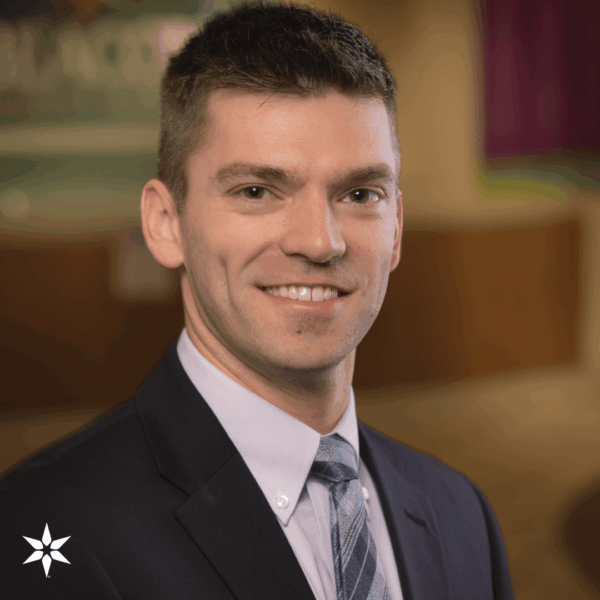 “Guillain-Barré can be a very frustrating disease from the rehabilitation standpoint,” said Dr. Christopher Ketcham, medical director of inpatient rehabilitation, Beacon Bone & Joint Specialists. The extent of recovery is unpredictable, and no two patients heal the same way.
“Patients’ deficits from Guillain-Barré can range from a little weakness in the ankles and knees to requiring a ventilator due to paralysis of their diaphragm,” Dr. Ketcham said. “Unfortunately, that means the variation of recovery can be just as broad.”
Jeff began with significant weakness in his legs, which led to difficulties coordinating his movements to walk. “The goal with his recovery was to teach him to walk again,” Dr. Ketcham said.
The transition to inpatient rehabilitation put Jeff under Dr. Ketcham’s direct care. He spent more than a month in the rehabilitation unit. To teach him to walk, they first had to rebuild his leg strength.
“My therapy there was awesome,” Jeff said. “It was like going to work. You get up, have breakfast, then have therapy. You come back to your room for lunch, then more therapy. They keep you busy!”
He participated in occupational, physical and recreational therapies.
“With interdisciplinary rehabilitation, the therapists, nurses, and physicians are able to discuss the patient’s recovery on a daily basis,” Dr. Ketcham said. “Because the recovery is so variable with Guillain-Barré, communication between the patient and the rehabilitation team is vital to optimize recovery by taking advantage of any signs of improvement and offering treatment regarding any setbacks.”
The neurologists told Jeff it would take months for him to recover his motor skills and eyesight. Determined to reclaim his strength and independence, he would often exercise on his own. “There are all types of tools they give you to take back to your room so you can practice by yourself,” he said.
Even through his darkest days, he refused to quit.
“To be honest with you, I was scared. Sometimes you don’t think you’re ever going to walk,” he said. “If you’re going to get better, you’re going to have to push yourself.”
The steady encouragement of Memorial’s staff kept his spirits from breaking.
“Each time you do your therapy, they tell you how you’re doing better,” Jeff said. “The nurse assistants were fantastic, too. They knew I was embarrassed when they had to help me. They’d see my progress and tell me, ‘Hey Jeff, you’re doing better!’ The team on that fifth floor is very special. They care about you.”
Dr. Ketcham emphasizes the importance of daily monitoring as a critical piece of the recovery process.
“Daily physicians’ visits mean close monitoring of labs, vitals and adjusting medications to quickly and effectively treat any changes in the patient’s condition,” he said. “I believe all those factors, and Jeff’s strong dedication to recover, ultimately led to his wonderful outcome.”
Home sweet home
Driven by his own determination and the guidance of his care team, Jeff progressed faster than expected, returning home after just six weeks in the hospital.
“I was determined to get up those stairs to get in my own bed,” he said with a laugh.
Jeff does not hesitate to describe what made all the difference in his recovery: “I just can’t get over all the help that I had. I wouldn’t be here if it wasn’t for Memorial. They’re the heroes.”