After decades of hiding hearing loss, Beacon patient wants others to consider cochlear implants
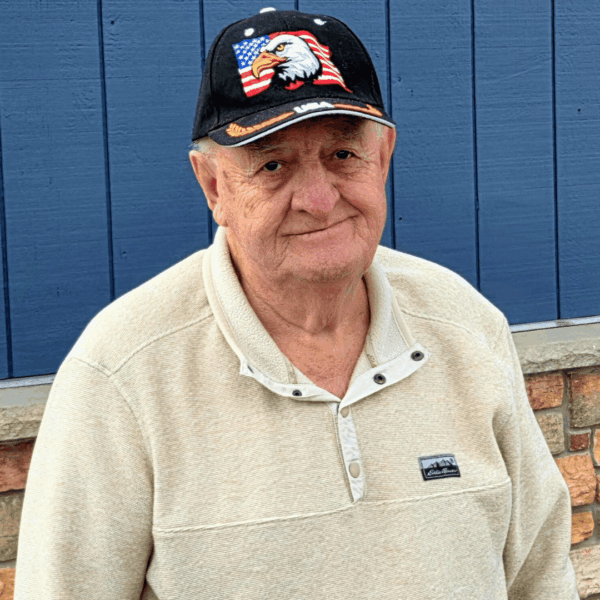
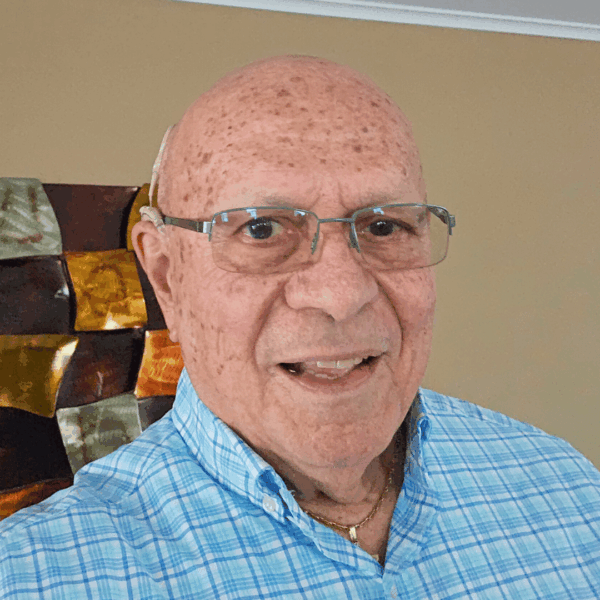 Thomas Nate kept his hearing loss mostly to himself. He managed. He adapted. He hid it. But at 84, he was tired of pretending everything was fine.
And he finally did something about it.
Tom had worn hearing aids since age 38, and about a decade ago, a Florida audiologist first mentioned cochlear implants. He wasn’t ready then.
Eventually, Tom decided it was time to stop managing, time to stop trying to hide his hearing loss and time to start living. He was afraid of missing out on important moments.
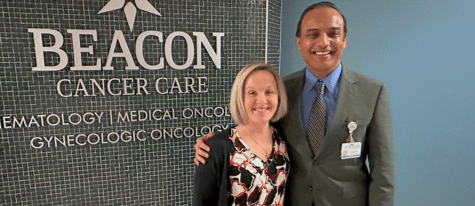
He made the decision to see Dr. David Isaacson, otolaryngologist with Beacon Medical Group ENT and Audiology South Bend. And true to form as a lifelong entrepreneur, he didn’t show up unprepared.
Doing the research
As a successful lifelong entrepreneur, Tom is a man of action. So he didn’t passively wait for his upcoming appointment to receive information. Instead, he set out to learn all he could about cochlear implants.
Tom researched the technology, procedure and patient experiences, starting with a call to a good audiologist friend who pointed him toward a book on the subject. Tom read it, and then had lunch with the author.
“It was just a phenomenal experience, because he checked out Dr. Isaacson for me,” Tom said. “I was elated because Dr. Isaacson came very highly recommended from a guy like that.”
Tom learned that getting cochlear implants means going from physical hearing to mechanical hearing. The implants are electronic devices that include an external portion that sits behind the ear and an internal part under the skin. The two parts work together to detect sounds, convert them into electrical impulses and send the impulses directly to the auditory nerve.
Because of this conversion of data, patients need a period of acclimation to help familiarize their brain with the new signals that represent particular sounds.
Armed with his new understanding of implants, Tom met with Dr. Isaacson.
“He was remarkable,” Tom says of Dr. Isaacson. “From day one, he was very patient, making plain what was involved, how you approach it and the key components to consider. I respected that … I can’t say enough for that whole team.”
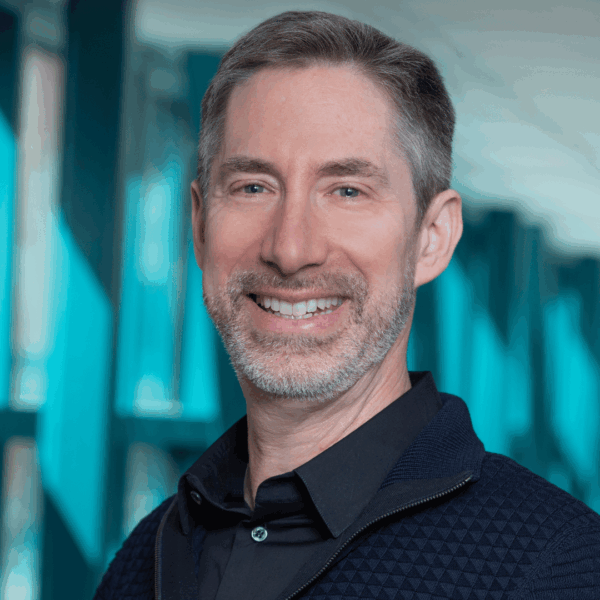
Dr. Isaacson agreed Tom was a strong candidate for cochlear implants. “With a relatively short duration of profound hearing loss, Mr. Nate was especially well-suited to the potential benefits of cochlear implantation,” Dr. Isaacson said. “His period of severe hearing loss was brief enough to predict a very significant improvement in communication ability.”
He was equally impressed by Tom’s preparation. “It was a pleasure to be able to participate in the care of such a motivated patient.”
 Facing the numbers
Tom’s hearing evaluation with audiologist Shanae Sobieray, AuD, brought the reality into sharp focus. With hearing aids, Tom had only 25% hearing in his left ear and 40% in his right ear.
Those numbers were the turning point.
He stopped hedging and committed fully.
“That was a turning point. I finally admitted I was in denial,” he said.
Tom had surgery on his left ear in May 2025, and his right ear several months later. Both implantations went smoothly and were completed as brief outpatient surgeries, Dr. Isaacson said.
When Tom came home after his first implant activation, the world sounded different — startlingly so.
“You’re going to hear things you haven’t heard before,” he said. “I asked my wife when we first came home, ‘What’s that noise?’”
It was the second hand of a clock in their den. Though the clock has been there for decades, this was the first time he heard it tick.
Putting in the work
Cochlear implants require commitment beyond surgery. Tom listened to more than 10 audiobooks while following along with the printed versions, a strategy that helped his brain match the new sounds to familiar words. “It helps you get your brain programmed,” he said.
Dr. Isaacson added that using the implants during everyday activities allows patients to efficiently adapt to this new way of hearing. “Each patient progresses at a unique pace. Mr. Nate was very diligent and therefore accommodated relatively quickly.”
The results reshaped how Tom moves through the world. He finds himself enjoying social interactions more and staying engaged with people.
“It clarifies any doubts you might have, because you understand what people are saying,” he said. “It helps you be more outgoing, because you can hear and understand what the conversation is about. You want to be part of it.”
Helping others find their way
Tom thinks about his mother, who struggled with serious hearing loss at a time when the technology simply didn’t exist to help her. “Unfortunately, they did not have access to the technology that’s present today. She had to do the best she could.”
His experience with hearing loss and implants has left him with a desire to help others.
“One of the things I wanted to do after I really got my hands around the rehab was to reach out and try to help other people who might be in the same boat as I was. I really want, in whatever time I have left, to help people who might be a little bit leery or doubtful.”