Our Take: New heart study underscores the need for screening and prevention in younger adults
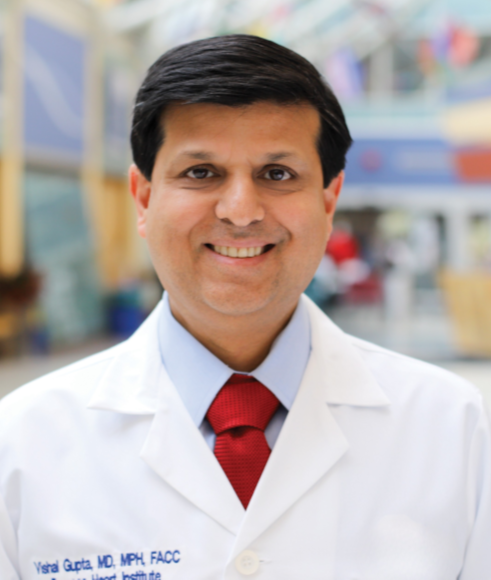
Dr. Vishal Gupta, Co‑Chair, Beacon Kalamazoo Heart Institute
A new study published by the American Heart Association reveals a troubling rise in deaths among younger adults hospitalized with a first heart attack. The study looks at patterns in severe heart attacks among adults under 55 and highlights the importance of paying closer attention to heart health well before retirement age.
Researchers found several nontraditional risk factors — including medical, social, and lifestyle factors — that can influence outcomes. The findings point to the importance of earlier screening and prevention efforts, particularly for women and adults who may not yet consider themselves at risk.
To understand what this new research means for our community, we spoke with Dr. Vishal Gupta, Co‑Chair of Beacon Kalamazoo Heart Institute. Dr. Gupta discusses where he sees gaps in care for younger adults and how earlier attention to heart health could help prevent fatal heart attacks.
Q: This new study shows that deaths after a first severe heart attack have increased among adults ages 18-54 between 2011 and 2022. What stands out to you most about this shift toward younger adults?
A: It is particularly striking that while heart attack hospitalizations are generally declining, this trend is primarily driven by older adults, whereas in-hospital mortality for first severe heart attacks (STEMI) increased by 1.2% among those ages 18 to 54 between 2011 and 2022. This new study highlights a need for stronger screening and prevention efforts among younger adults, especially people in their 30s and 40s.
Q: After accounting for traditional risk factors like blood pressure and cholesterol, the study found that nontraditional factors were more strongly linked to heart attack deaths. What are these factors and how are they reshaping what we know about heart health and risk assessment?
A: These nontraditional factors include kidney disease, diabetes, non‑tobacco drug use, and low income. Because they played a larger role in deaths, this indicates that a person’s social circumstances and overall health play a critical role in survival after a heart attack. Stress is another factor which is considered nontraditional.
Q: How do we help adults under 55 to better understand their heart attack risk and the steps they should take to protect their heart health?
A: Heart disease is often thought of as an older adult’s problem, but this study shows younger people are also at risk. One of the most effective ways to identify heart disease early is through regular checkups with a primary care physician. Many younger adults, however, may not have a primary care doctor or rarely seek routine care. During these visits, primary care providers can screen for high cholesterol, high blood pressure — often called a “silent killer” — and other risk factors before serious problems develop.
The study helps us realize that there are certain gaps in our medical system where we need to refocus on the younger population. Beacon Kalamazoo Heart Institute has established programs to screen people of all ages. We have established a Heart Attack Prevention Clinic for anyone who would like to have their heart checked — you don’t have to have symptoms and you don’t need a referral. To make an appointment call 269.381.3963. The clinic focuses on identifying patients who may be at risk of a heart attack, and we work with them on lifestyle changes and other preventative measures.
We also offer a free heart screening program every year for the community on a first-come, first-served basis. The Beacon Heart Institute Healthy Heart screening event includes an EKG, blood pressure screening, body mass index (BMI) calculation, blood glucose test, heart and stroke risk assessment, and a consultation with a cardiologist. If someone presents as high risk, we will schedule them for a follow-up appointment and further testing if needed. Details about the event, including the date and time, will be shared once they are finalized including on our Beacon Kalamazoo Facebook page.
Learn more about Beacon’s heart team
To care for your heart, Beacon has the information, tools and expert providers to lead you along your path to good heart health. We strive to empower you to prevent heart issues but also provide heart care services should you need them. Learn more about Beacon heart care.