Swimmer’s ear: What to watch for this summer
Whether it’s a pool at day camp, a lake at overnight camp or a weekend swim, water is a big part of summer.
But with more time in the water comes a common issue urgent care providers see every year: swimmer’s ear.

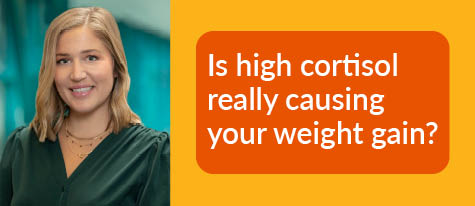
Dr. David Brown, Beacon Kalamazoo Immediate Care Woodbridge Hills Portage
“Swimmer’s ear is one of the most frequent conditions we treat in the summer months,” said family medicine physician Dr. David Brown, Beacon Kalamazoo Immediate Care Woodbridge Hills Portage. “It often starts small but can become quite painful if it’s not addressed early.”
Swimmer’s ear is an infection in the outer ear canal, often caused by moisture that gets trapped after swimming. That environment allows bacteria to grow more easily.
Early symptoms can include itching, mild discomfort, or a feeling that the ear is full. As it progresses, pain can increase, especially when touching the ear, and hearing may be affected.
Prevention is often simple but easy to overlook.
Drying ears thoroughly after swimming, avoiding putting objects like cotton swabs into the ear and using preventive drops for those prone to infections can all help reduce risk.
“For kids who are swimming every day, small habits really matter,” Dr. Brown explained. “Draining water from the ears with a head tilt after swimming, drying ears thoroughly after swimming, avoiding putting objects like cotton swabs into the ear and using preventive drops for those prone to infections can all help reduce risk.”
In shared environments like camps, not sharing towels and reporting ear discomfort early can also help prevent the condition from worsening.
If ear pain develops or worsens, Beacon urgent care providers can evaluate the ear and provide treatment to relieve symptoms quickly.
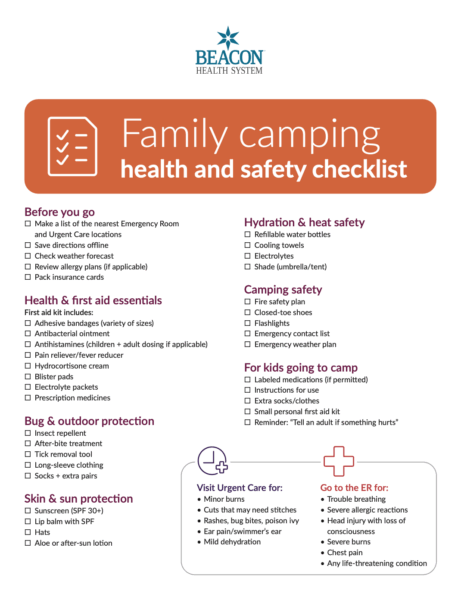 Free download!
Before heading to camp or out on a family trip, most of us pack the basics: clothes, snacks, gear. But one of the most important things to bring is something you hope you won’t need: a well-stocked first-aid kit. Get your free family camping health and safety checklist.