Sturgis 93-year-old leaves decades of blood thinners behind at Beacon Kalamazoo Heart Institute
At 93 years old, Tom Parisot is still doing things many people half his age don’t attempt — including hopping on his motorcycle for the occasional ride. Independent, energetic and forward‑looking, Tom credits his outlook on life to staying active and not letting health concerns define him.
But for more than 35 years, one condition required constant attention.
Tom has lived with atrial fibrillation, otherwise known as AFib, for decades, managing the condition with a medication called Coumadin to reduce his risk of stroke. While effective, the medicine came with frequent lab visits, dosage changes and lingering worry.
“I was on Coumadin for 35 years,” Tom said. “My numbers were all over the map. I didn’t really feel sick, but it was always something hanging over me.”
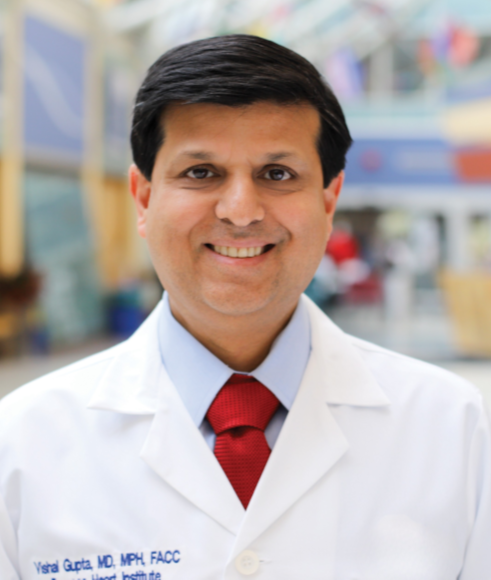
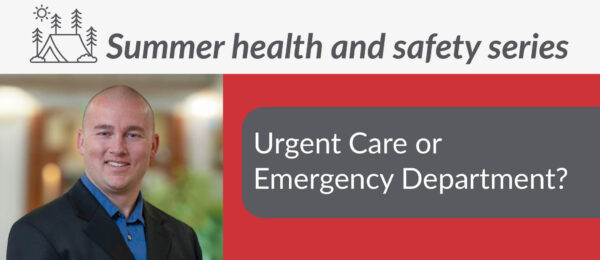
Dr. Vishal Gupta, Co‑Chair, Beacon Kalamazoo Heart Institute
Exploring new options
As Tom aged, managing long‑term blood thinners became more challenging. His primary care physician recognized there could be a safer, more sustainable option and referred him to the Beacon Kalamazoo Heart Institute.
That’s when Tom learned about the WATCHMAN™ procedure. This was something he hadn’t known was available.
“Once it was explained to me, it just made sense,” he said. “I thought, why didn’t I hear about this long ago?”
Tom met Vishal Gupta, MD, Beacon Health System interventional cardiologist, who evaluated his condition and confirmed he was a strong candidate for the procedure.
“The WATCHMAN™ procedure is designed for patients with atrial fibrillation who are at increased risk of stroke but have difficulty with long‑term anticoagulant therapy,” Dr. Gupta said. “By sealing off the left atrial appendage — where most AFib‑related clots form — we can significantly reduce stroke risk and, for many patients, eliminate the need for lifelong blood thinners.”
The WATCHMAN™ device is implanted using a minimally invasive, catheter‑based approach, which means no open‑heart surgery and a typically short recovery time.
Tom underwent the procedure in November 2025.
“They explained everything clearly,” Tom said. “There was nothing to be scared about.”
Life after WATCHMAN
After follow‑up imaging confirmed the device was securely in place, Tom was able to stop taking blood thinners, something he had relied on for more than three decades.
“That was the biggest relief,” he said. “I feel like I was never even sick. I forget all about it now.”
Today, Tom lives in Sturgis, Mich., remains active and independent and continues doing the things that matter most to him. He will turn 94 in July, and slowing down isn’t on his radar.
“I don’t worry about my health like I used to,” Tom said. “I just live my life.”
Dr. Gupta says helping patients maintain that level of independence is a key goal of advanced AFib care.
“Our focus is not only reducing stroke risk, but preserving quality of life,” Dr. Gupta said. “When patients can stay active and confident without the ongoing concerns of blood thinners, it can make a meaningful difference — especially as they age.”
A message for others
Tom hopes sharing his story encourages others, no matter their age, to ask questions and explore all available options.
“If you have AFib, talk to your doctor,” he said. “Talk to your heart specialist. There are options out there, and this one changed my life.”
At Beacon Health System, advanced heart care, expert physicians and compassionate teams help patients like Tom continue living fully at every stage of life.