Eye on Health: A stroke at 39 becomes a wake-up call
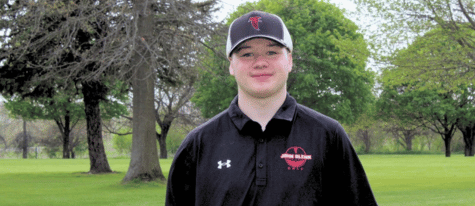
Recognizing the signs of a stroke and acting quickly can mean the difference between recovery and lasting damage. For 39-year-old Dylan Friar of Niles, Michigan, that lesson became all too real.
What Dylan thought was a migraine turned into a sudden medical emergency. He couldn’t control his hand, and his speech wasn’t right. His girlfriend immediately called 911, a decision that likely saved his life.
Calling 911 right away — instead of driving to the hospital themselves — triggered a rapid, coordinated response between EMTs and hospitals that helped prevent more severe damage. Doctors say those early minutes are critical in stroke care. “Everything happened all at the right time for it not to progress into something worse because of how quickly everybody moved,” says Dylan.
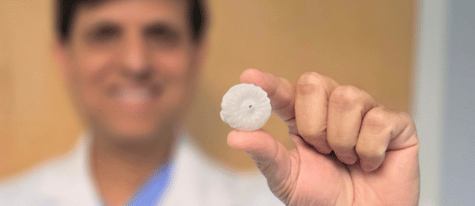
Dylan underwent an emergency procedure to remove a blood clot in his brain, restoring blood flow before more harm could occur. Specialists stress that every hour without treatment can lead to the loss of millions of brain cells.
Now recovering, Dylan hopes his story encourages others to take warning signs seriously, no matter their age. Experts say most strokes are preventable, but only if people act quickly when symptoms begin.
Recognize the signs of stroke
Doctors encourage everyone to remember the acronym “BE FAST” to spot stroke symptoms:
- Balance: sudden loss of coordination
- Eyes: vision changes
- Face: drooping or uneven smile
- Arms: weakness or numbness
- Speech: slurred or difficulty speaking
- Time: call 911 immediately
Watch the full Eye on Health interview with Dylan and his doctors on WSBT below.
Beacon’s stroke care team
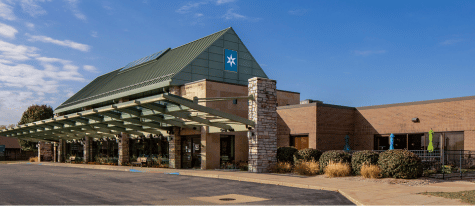
When every second counts, you need a team that’s ready before you arrive. Learn more about Beacon’s certified stroke centers and the life‑saving capabilities that set them apart.